Small towns
A Town of 900 Rebuilt Its Cinema Seat by Seat
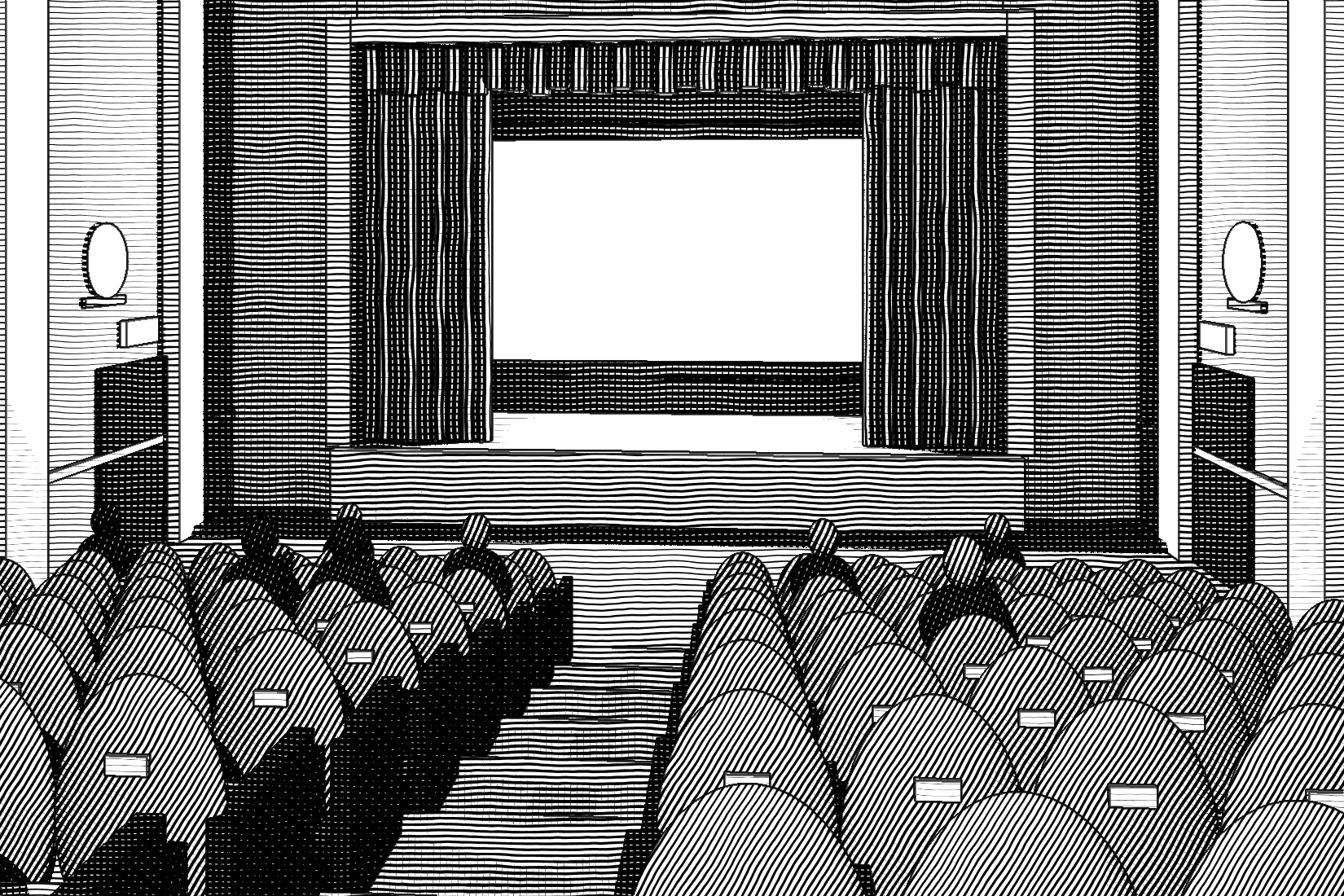
Each of the 112 seats has a brass plate with a name on it. Most of the names belong to people who still come on Fridays.
March 2026
The Small Towns Issue
Fewer than 10,000 people, and not one of them quaint.
March 2026 · Vol. IV, No. 3
Places of under ten thousand people, taken seriously.
From the editor
There is a tone magazines tend to adopt when they write about small towns: fond, faintly elegiac, and slightly surprised that anyone still lives there. We have tried, this month, to avoid it. The places in this issue have fewer than 10,000 people apiece, and they are not quaint. They are complicated, argumentative, and very much alive.
Ruth Hollis went to Little Varne, population 900, where residents brought their cinema back by paying for it one seat at a time. A Town of 900 Rebuilt Its Cinema Seat by Seat is about the 112 brass plates now fixed to those seats, the projectionist, and the Friday program, and about the fact that most of the people named on the plates are still in the audience. It is the warmest story in the issue, and also a shrewd one about how a small place pays for the things it cannot do without.
Julien Moreau’s Redrawing a Bus Map Without Losing a Single Rider follows a rural county that tried to make its buses frequent instead of everywhere. On paper, the logic was sound. In the public meetings, it ran into the people at the ends of the old routes, among them an older rider whose week is built around the Thursday bus, and into a planner who had to decide what a single passenger is worth. The compromise they reached is not perfect, and Julien is honest about that.
Neither story is about decline. Both are about decisions—who makes them, who shows up, and what a community will do once it decides something matters. Small towns, it turns out, have no shortage of those.
Culture
Small towns
Each of the 112 seats has a brass plate with a name on it. Most of the names belong to people who still come on Fridays.
Politics
Transit
A rural county tried to make its buses frequent instead of everywhere. The people at the ends of the old routes had other ideas.
