Reading
The Case for Footnotes
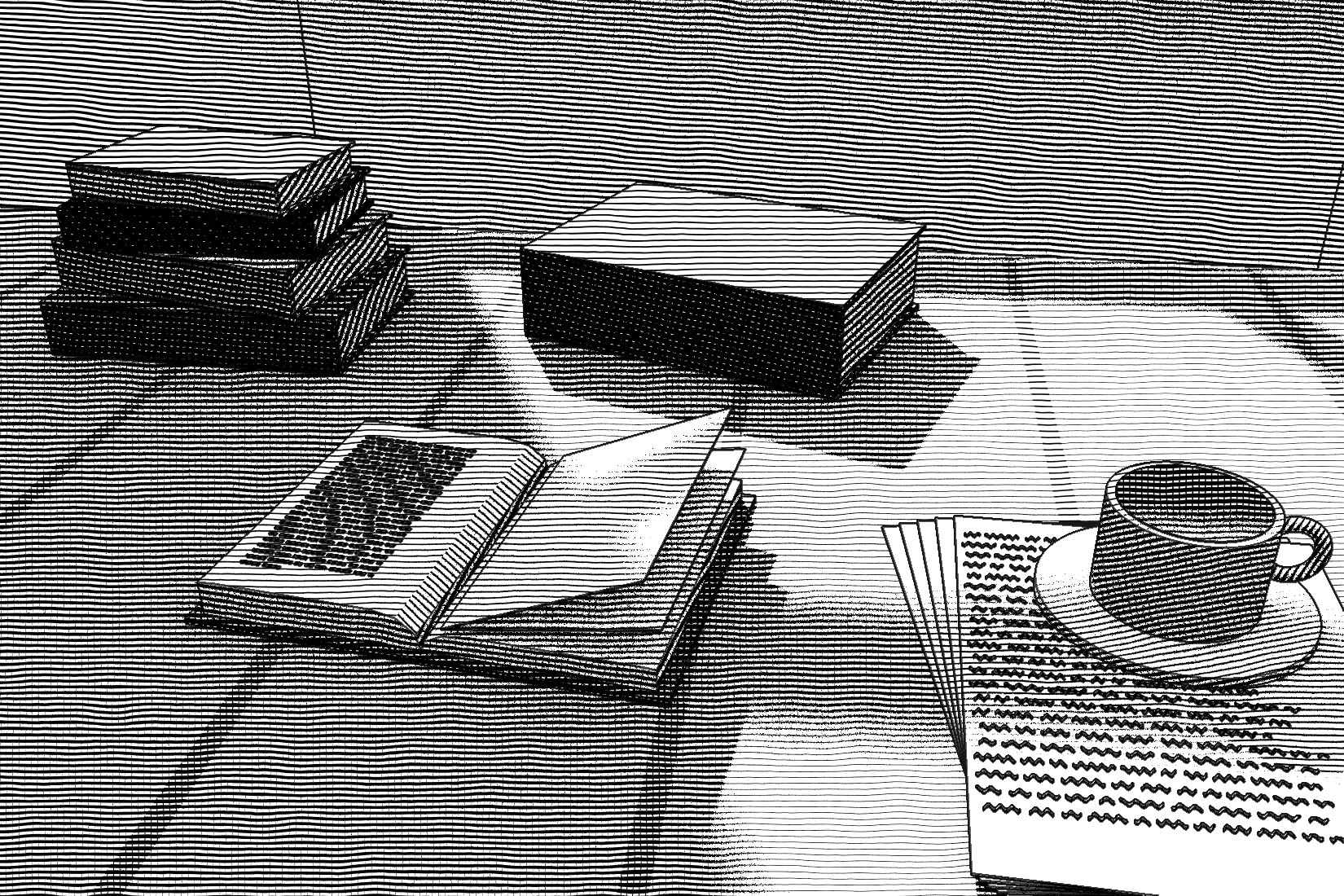
Notes are where a writer shows their working, argues with themselves and admits doubt. We should stop hiding them at the bottom of the page.
December 2025
The Inventory Issue
Every flask, footnote, and freezer: the quiet art of keeping count.
December 2025 · Vol. III, No. 12
Counting, cataloguing and keeping track.
From the editor
Every December, the chandlery below my apartment closes for a day to count its stock. I used to think of it as a chore. Now I think of it as a kind of honesty: a yearly reckoning with what is actually on the shelves, as opposed to what the ledger says should be there. This issue is about that reckoning, and about the people who make a vocation of it.
Ilona Varga’s The Lab That Has Grown the Same Bacteria Since 1988 visits an experiment in which, every day for nearly four decades, someone has moved a drop of culture into a fresh flask. The freezer down the hall now holds an inventory of evolution itself, generation by generation, and the graduate student who tends the flasks today is the latest in a long line of people who refused to skip a day. It may be the most patient story we have ever published.
Agata Kowalczyk’s The Case for Footnotes is an inventory of a different sort: a defense of the notes, glosses, and asides where writers keep track of their sources and admit their doubts. Readers who have wondered why this magazine prints its notes in the margin, rather than burying them at the foot of the page, will find the answer here, along with a number of jokes that only work if you read the sidenotes.
Counting is not glamorous. But nothing can be kept that hasn’t first been counted, and nothing can be trusted that hasn’t been checked. As the year closes, we’re grateful to everyone who keeps the tally—and to you, for keeping us on your list.
Ideas
Reading
Notes are where a writer shows their working, argues with themselves and admits doubt. We should stop hiding them at the bottom of the page.
Science
Evolution
Every day for nearly forty years, someone has moved a drop of culture into a fresh flask. The experiment’s real subject may be patience.
