Museums
Why Every Small Museum Ends at the Same Gift Shop
Tea towels, pencils and a book about the building. The economics of the last room in the museum are stranger than they look.
July 2026
The Leisure Issue
Time off is not a prize. It is the point.
July 2026 · Vol. IV, No. 7
Time off, and who gets to have it.
From the editor
It is July, which means that half of our staff are out of the office and the other half are pretending not to envy them. It seemed the right moment for an issue about time off: what it is for, who gets it, and what we do with it once it arrives.
Mika Sato’s essay Leisure Is Not a Reward is the heart of the issue. We tend to talk about rest as something earned, a prize handed out for sufficient toil, and we feel faintly guilty when we take it without having suffered enough first. Mika makes the case for an older idea: that leisure is not the reward for work but the reason for it. It is a gentle essay and a radical one, and I suspect many of you will read it in a deckchair, which is exactly as it should be.
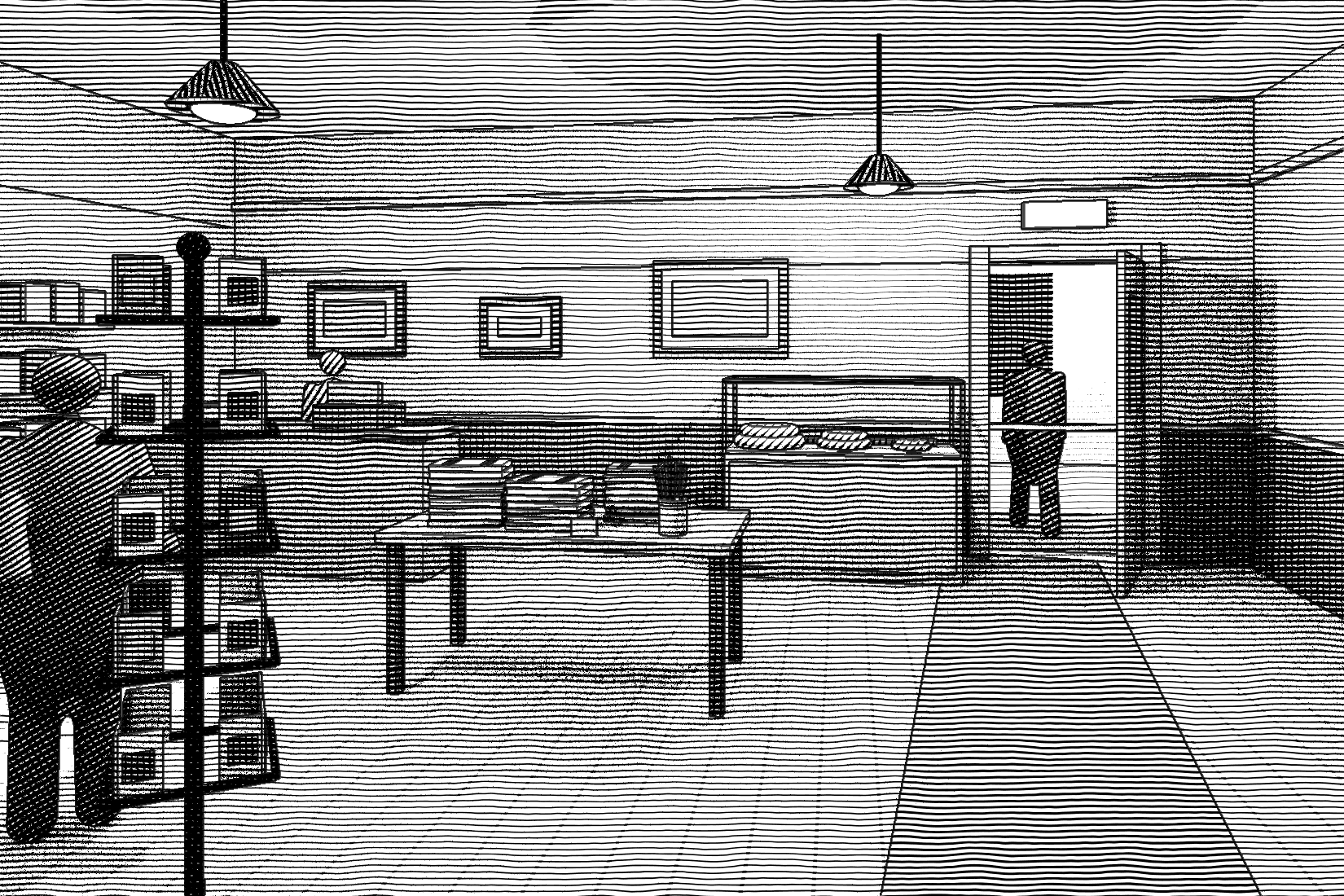
Funmi Adeyemi, meanwhile, went shopping. Why Every Small Museum Ends at the Same Gift Shop investigates the last room of almost every small museum—the tea towels, the pencils, the book about the building—and finds a surprisingly intricate economy behind it: the wholesalers who supply it, the margins on a single postcard, and one curator who ignored the catalog and designed her own shop from scratch. It is very funny and, by the end, rather touching about what we want to carry home from a day off.
Leisure is unevenly distributed, and neither piece pretends otherwise. But both insist that time off is not a luxury to apologize for. Take some, if you can. We’ll be here when you get back.
Culture
Museums
Tea towels, pencils and a book about the building. The economics of the last room in the museum are stranger than they look.
Ideas
Essay
We talk about time off as something earned. The older idea was that it is what work is for.
